Myth-Busting EEG: Common Misconceptions Debunked
Understanding EEG: What It Really Is
Electroencephalography, or EEG, is a non-invasive method used to record electrical activity of the brain. Despite its widespread use in both clinical and research settings, many misconceptions persist about what EEGs can and cannot do. This blog aims to debunk some of the most common myths surrounding EEG.
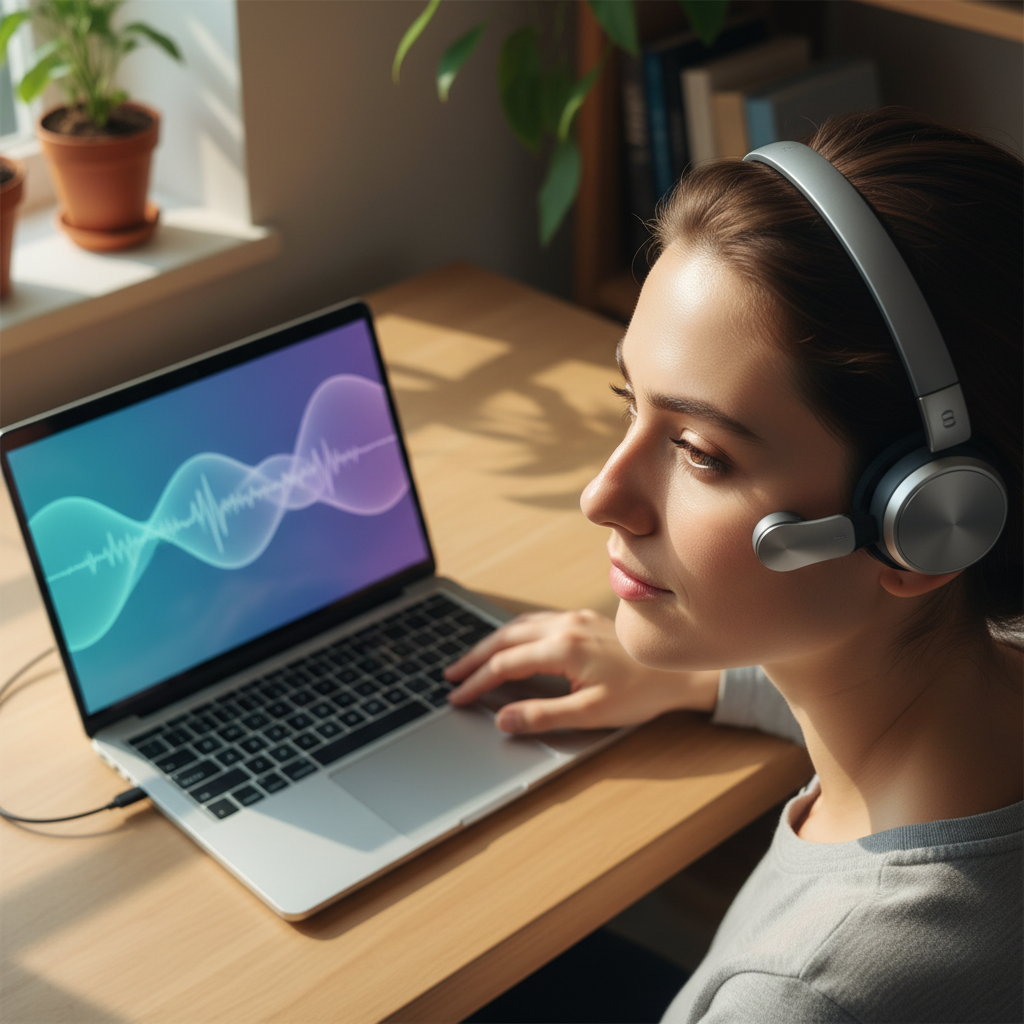
Myth 1: EEGs Can Read Your Thoughts
One of the most prevalent myths is that EEGs can read your thoughts. This is simply not true. EEGs measure electrical activity produced by the firing of neurons in the brain, not specific thoughts or emotions. While EEG data can provide insights into brain states like sleep or alertness, it's a far cry from mind-reading.
Myth 2: EEGs Are Only for Detecting Seizures
While it's true that EEGs are often used to diagnose and monitor epilepsy and other seizure disorders, their applications go beyond this. EEGs are also used in sleep studies, monitoring brain health in various conditions, and even in research to understand cognitive functions and disorders.
The Science Behind EEGs
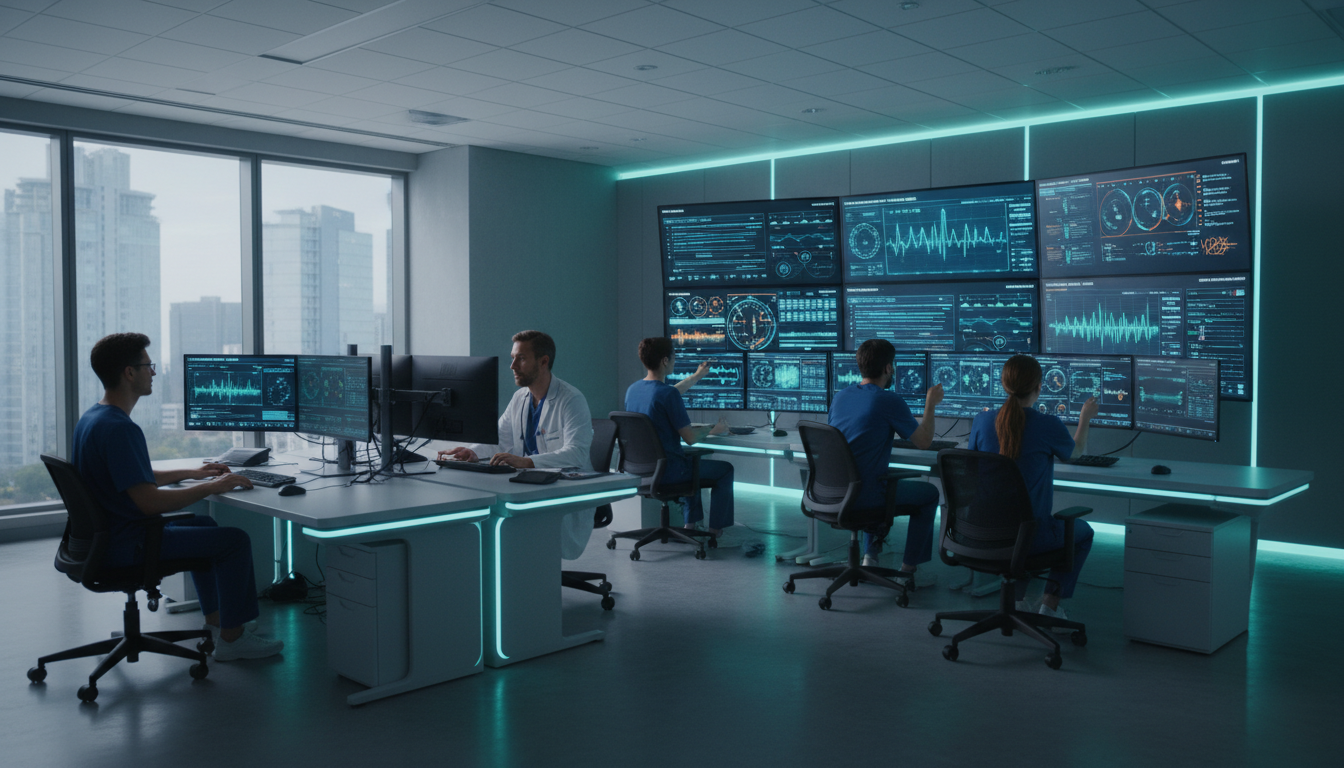
EEG technology has been around for nearly a century, yet its fundamental principles remain the same. Electrodes are placed on the scalp to detect electrical signals produced by brain activity. These signals are then amplified and recorded for analysis.
Myth 3: EEGs Are Painful or Dangerous
EEGs are completely non-invasive and painless. They involve attaching small sensors to the scalp with conductive paste or gel. There is no risk of electric shock as the electrodes only detect electrical activity; they do not emit electricity.
Myth 4: EEG Results Are Always Easy to Interpret
Interpreting EEG results is a complex task that requires specialized training. The brain's electrical activity is influenced by numerous factors, making it challenging to draw straightforward conclusions without expert analysis.

EEG in Everyday Life
EEGs are not just confined to hospitals and research labs. They are increasingly being used in consumer technology, from brain-computer interfaces to neurofeedback devices aimed at improving focus and relaxation.
Myth 5: EEG Technology Is Outdated
Far from being outdated, EEG technology is continually advancing. Innovations in electrode design, data analysis, and portable EEG devices are expanding its applications and accessibility. EEG remains a vital tool in neuroscience and beyond.
In conclusion, while EEGs are a powerful tool for understanding brain activity, they are often misunderstood. By debunking these myths, we hope to provide a clearer picture of what EEGs can genuinely offer.