Case Study: How EEG Helped Improve Patient Outcomes
Introduction to EEG in Healthcare
The field of healthcare is continuously evolving, with new technologies being integrated to enhance patient outcomes. One such technology is the Electroencephalogram (EEG), a tool that plays a pivotal role in diagnosing and monitoring neurological conditions. By measuring electrical activity in the brain, EEG provides critical insights that can lead to more effective treatment plans.
In this case study, we will explore how EEG has been instrumental in improving patient outcomes, highlighting real-world applications and success stories that demonstrate its value in modern medicine.
Understanding EEG Technology
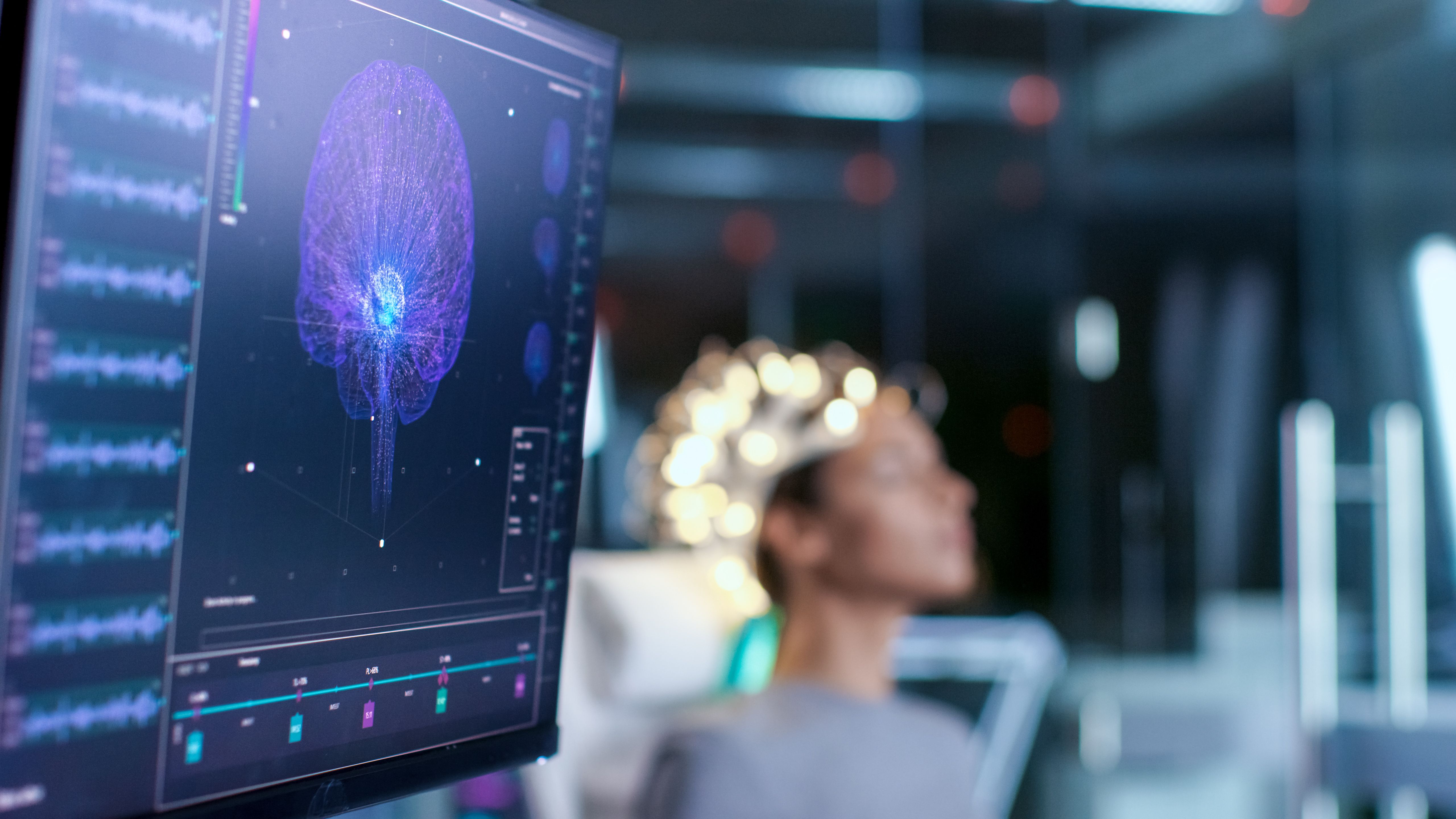
EEG technology involves placing electrodes on a patient's scalp to record brain wave patterns. These patterns are then analyzed to detect abnormalities associated with conditions like epilepsy, sleep disorders, and brain injuries. The non-invasive nature of EEG makes it a preferred choice for continuous monitoring and diagnostic assessments.
One of the primary advantages of EEG is its ability to provide real-time data, enabling healthcare professionals to respond quickly to changes in a patient's condition. This immediacy is crucial in critical care settings where timely interventions can significantly impact patient recovery.
Applications in Neurological Disorders
EEG has proven to be a valuable tool in diagnosing and managing various neurological disorders. In patients with epilepsy, for instance, EEG can help pinpoint the location of seizure activity, allowing for more targeted treatment approaches. Additionally, EEG is used to monitor the effectiveness of treatments, ensuring that interventions are adjusted as needed for optimal outcomes.
Case Studies: Real-World Impact
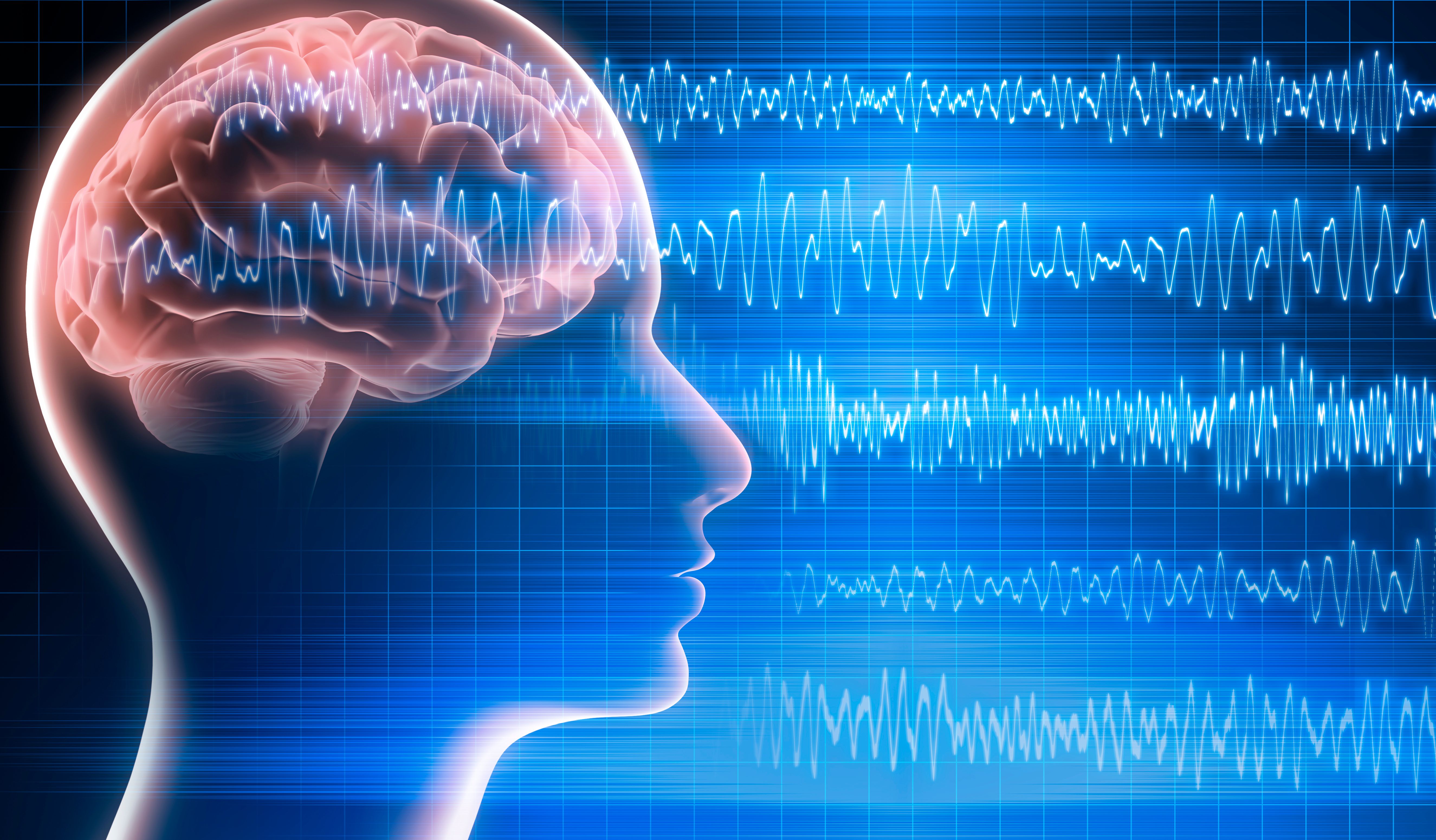
In one notable case, a patient with a history of unexplained seizures underwent EEG monitoring. The data revealed a specific pattern of brain activity that was linked to a rare form of epilepsy. With this information, the medical team developed a personalized treatment plan that significantly reduced the frequency and severity of the patient's seizures.
Another case involved a patient in a coma following a traumatic brain injury. Continuous EEG monitoring provided critical information about the patient's brain function, guiding the medical team in making informed decisions about treatment and care. As a result, the patient experienced a remarkable recovery, regaining consciousness and cognitive function.

The Future of EEG in Healthcare
As technology advances, the applications of EEG in healthcare are expected to expand even further. Researchers are exploring innovative uses of EEG in areas such as mental health, where it may help in diagnosing conditions like depression and anxiety. Moreover, the integration of artificial intelligence with EEG data holds promise for enhancing diagnostic accuracy and predicting patient outcomes.
Overall, the role of EEG in improving patient outcomes is undeniable. Its ability to provide detailed insights into brain function makes it an invaluable asset in the medical field, paving the way for more personalized and effective healthcare solutions.